(855) 679-5438
USA Manufactured cGMP Certified COA & SDS Available
Apply Now

Anti Aging And Cellular Health Compounds

Research peptides used in laboratory work on cellular aging, mitochondrial function, and oxidative stress response — supporting investigations into senescence pathways and DNA repair.

Produced to high purity standards, with documentation available. Supplied strictly for laboratory and research use; not for human or animal consumption.

Anti Aging And Cellular Health Peptides

Wholesale Anti-Aging & Cellular Health PeptidesEpitalon, NAD+, MOTS-C, Humanin, SS-31 and GHK-Cu. USA-manufactured with a COA on every lot, at bulk research pricing.

Research Background

Cellular aging research has shifted considerably over the past two decades, moving from a largely descriptive science, cataloging what changes as cells age, toward a mechanistic one focused on the pathways that drive those changes. Much of the current work centers on a handful of interconnected processes: mitochondrial dysfunction and the accumulation of reactive oxygen species, telomere attrition, epigenetic drift, and the buildup of senescent cells that resist normal turnover and instead secrete inflammatory signals into surrounding tissue, a phenomenon often referred to as the senescence-associated secretory phenotype.

Laboratory work in this category typically uses cultured fibroblast or epithelial cell lines to model senescence induction, often through oxidative stress, replicative exhaustion, or DNA-damaging agents, paired with senescence-associated betagalactosidase staining to confirm the senescent phenotype. Mitochondrial function is commonly assessed using oxygen consumption rate assays or fluorescent probes that measure membrane potential and reactive oxygen species production directly. Researchers studying DNA repair pathways frequently rely on comet assays or gamma-H2AX foci quantification to visualize damage and repair kinetics over time.

Because aging biology research often runs on long timelines, tracking cellular changes across many population doublings or following an organism through a substantial portion of its lifespan, consistency between batches of research material becomes especially important. A compound with variable purity or degraded stability over a multi-week or multi-month protocol introduces noise that can be difficult to distinguish from the biological signal researchers are trying to measure.

Laboratory investigators studying regenerative and performance-related compounds typically work within a few common experimental frameworks: in vitro wound-healing assays that track cell migration across a gap in a cultured monolayer, ex vivo tissue explant models that preserve more of the native cellular environment, and in vivo models, most often rodent, used to evaluate systemic effects on muscle repair, tendon strength, or recovery timelines after induced injury.

Because these pathways intersect with exercise physiology, orthopedic research, and sports medicine, researchers in this category often draw on methodologies from adjacent fields: histological staining to visualize new tissue formation, biomechanical testing to measure tensile strength in healed tissue, and gene expression panels such as qPCR or RNA sequencing to track which repair-related genes are upregulated during recovery.

Reproducibility is a persistent challenge in this area, which is part of why documentation — batch-specific Certificates of Analysis, defined purity thresholds, and consistent synthesis methods — matters as much as the biological question being asked. A compound that performs inconsistently between batches introduces a confound that is difficult to separate from the underlying biology.

Why Researchers Study Anti Aging And Cellular Health Peptides

Anti-aging peptides — wholesale, third-party lab tested, COA supplied per lot

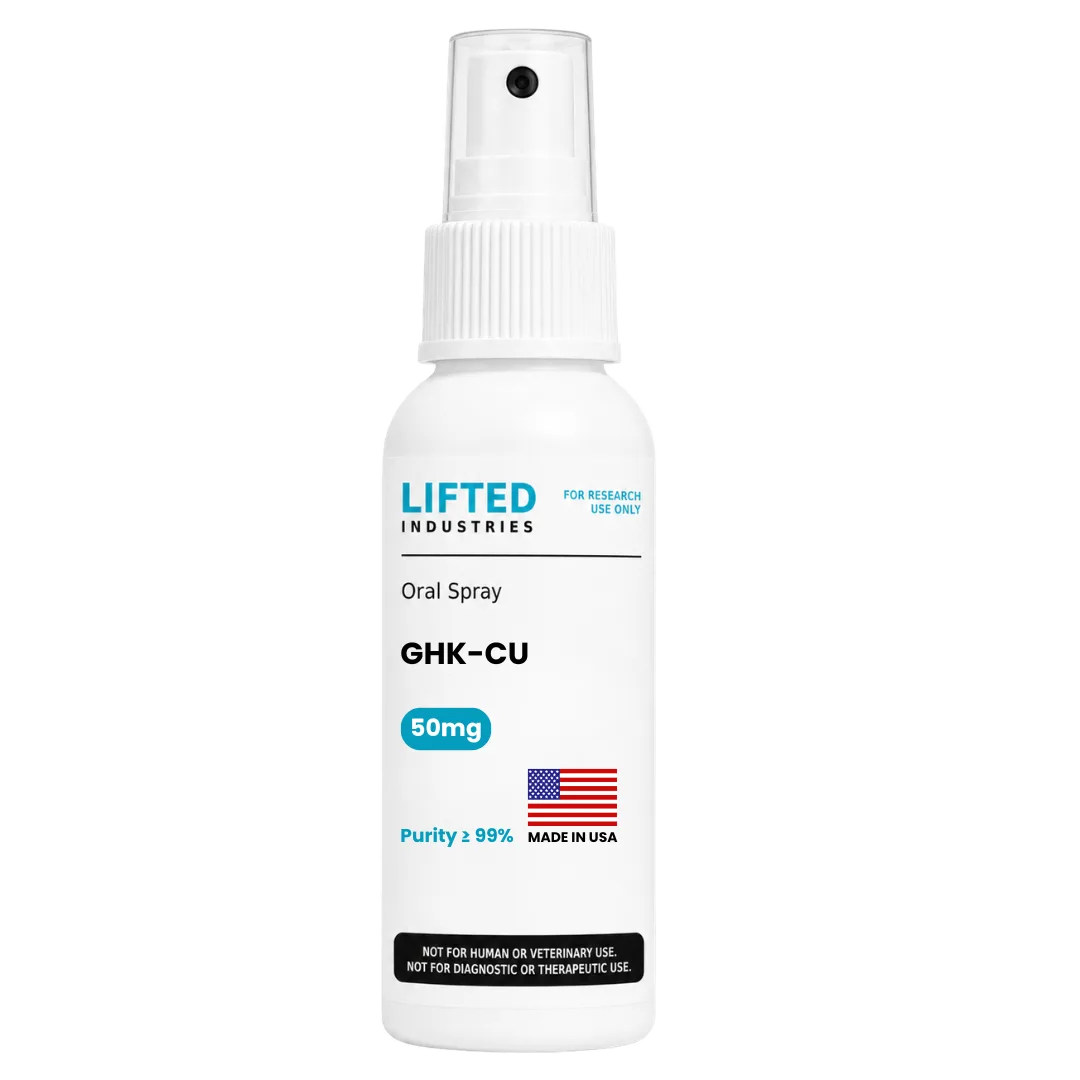
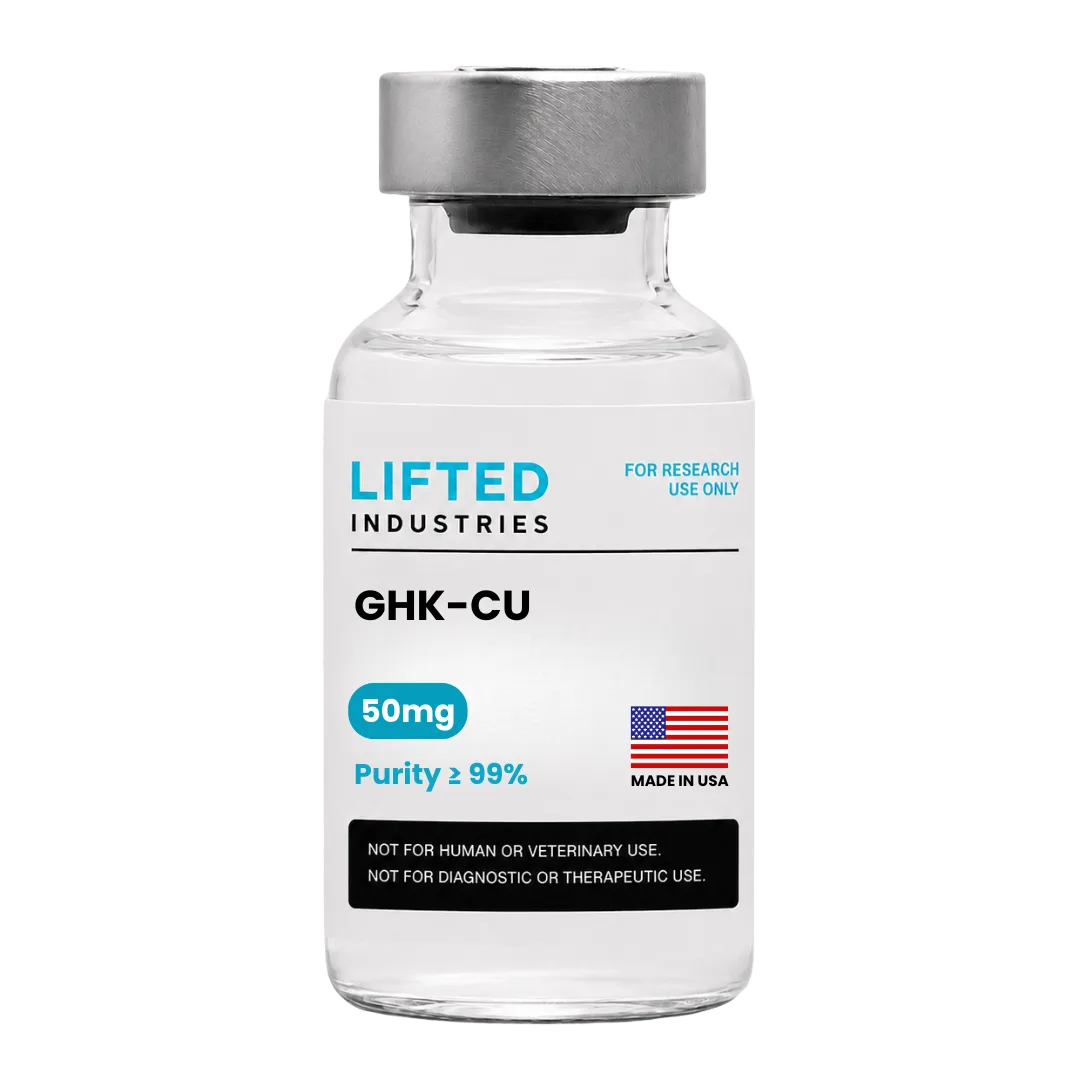
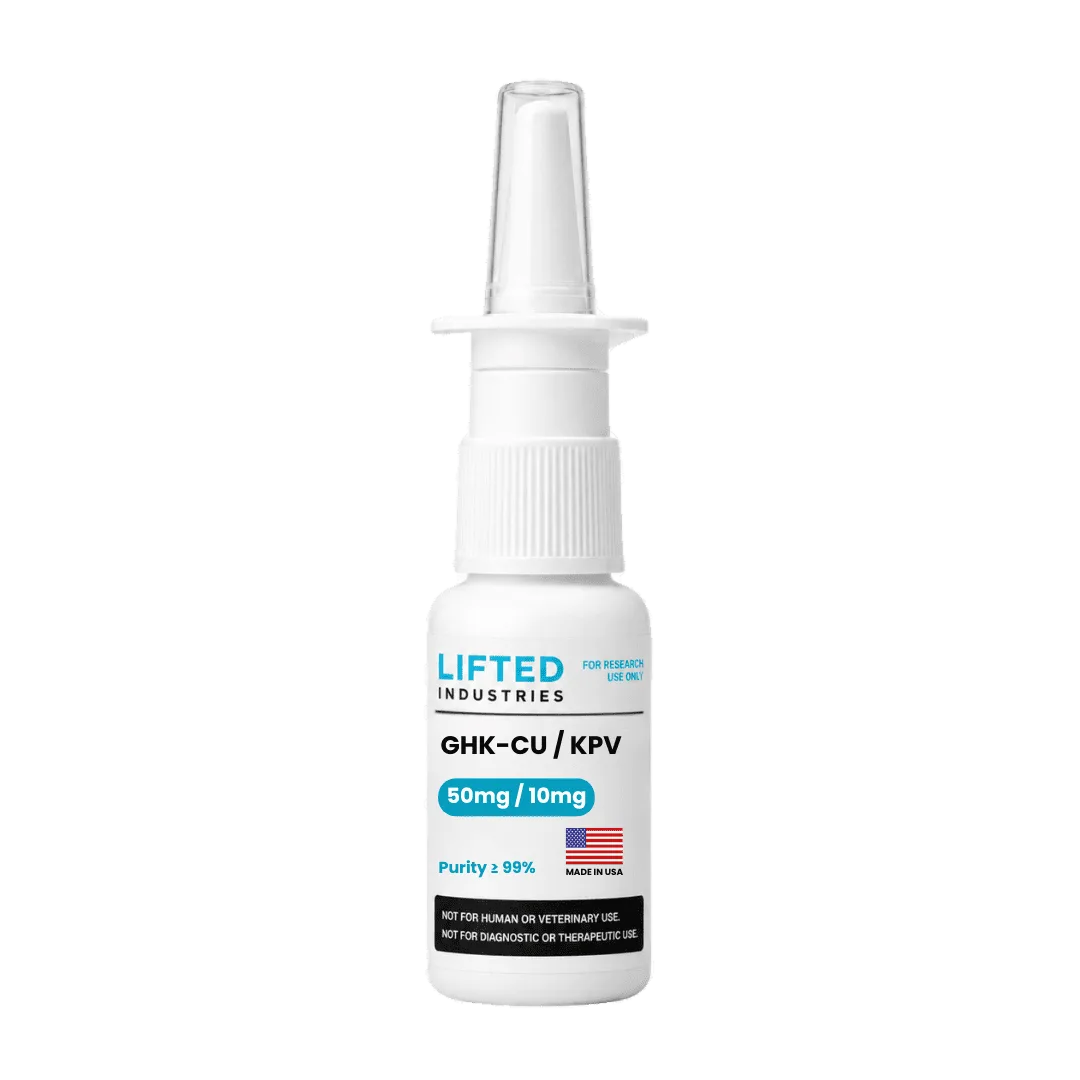
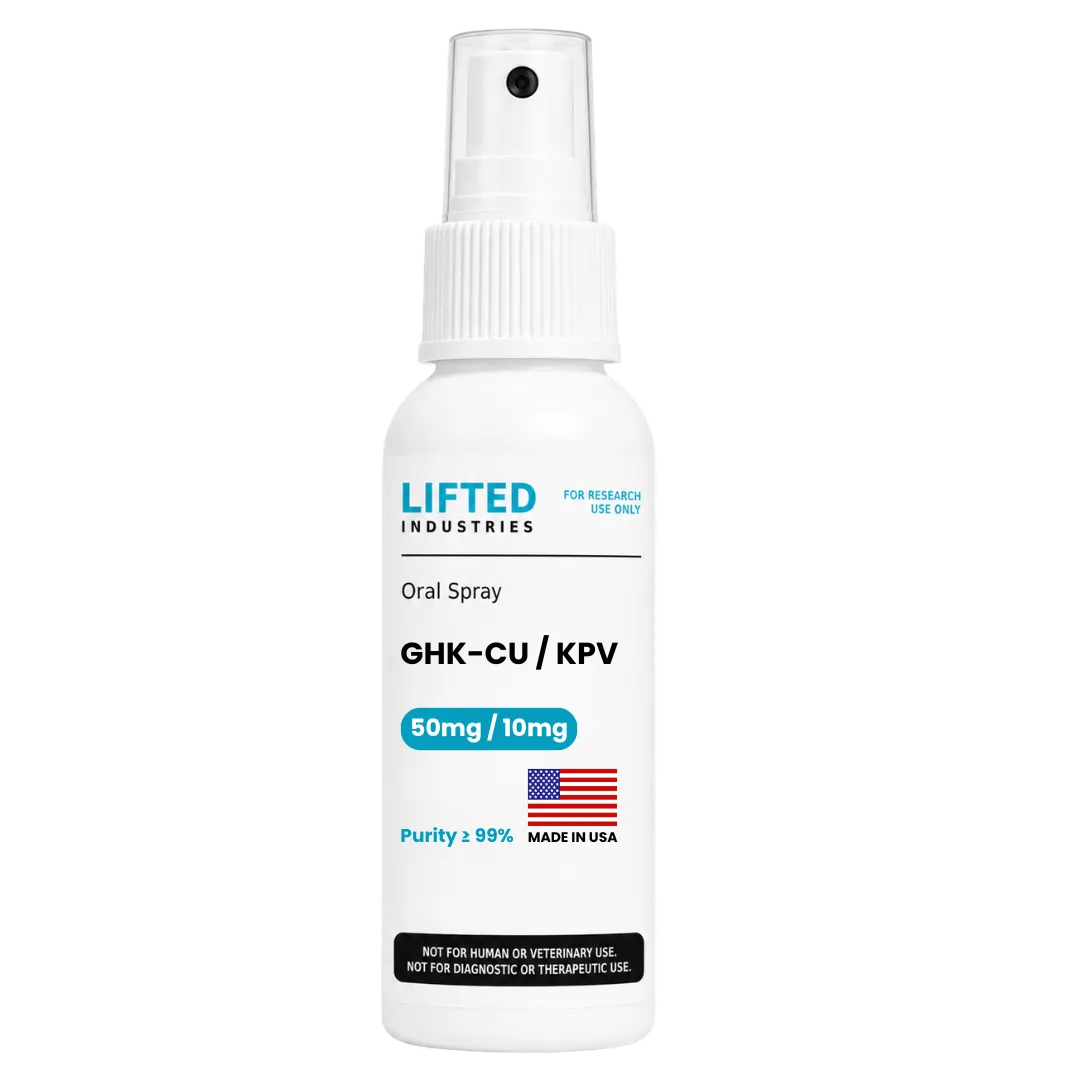
Wholesale anti-aging peptides for cellular health research, supplied research use only to qualified accounts. Ten compounds across injectable vials, nasal sprays and oral sprays, each lot third-party lab tested with a COA tied to the lot number received.

Browse All Research Peptide Categories

Image hover effect image

Advanced Regenerative and Performance Peptides

Research compounds for advanced regenerative and performance research applications.

Image hover effect image

Anti-Aging & Cellular Health Peptides

Research compounds for anti-aging & cellular health research applications.

Image hover effect image

Cognitive & Mood Support (Nootropic) Peptides

Research compounds for cognitive & mood support (nootropic) research applications.

Image hover effect image

Growth Hormone Optimization Peptides

Research compounds for growth hormone optimization research applications.

Image hover effect image

Healing Peptides

Research compounds for healing research applications.

Image hover effect image

Longevity Peptides

Research compounds for longevity research applications.

Image hover effect image

Metabolic & Weight Loss Peptides

Research compounds for metabolic & weight loss research applications.

Image hover effect image

Recovery & Inflammation Peptides

Research compounds for recovery & inflammation research applications.

Image hover effect image

Sexual Health Peptides

Research compounds for sexual health research applications.

Frequently Asked Questions About Anti-Aging Peptides

Compounds in this category support laboratory research into cellular senescence, mitochondrial function, and oxidative stress pathways associated with aging.

No. Products in this category are sold strictly for laboratory and research use. They are not approved for human or veterinary consumption, diagnostic use, or therapeutic application.


Yes. Every batch ships with a Certificate of Analysis (COA), and Safety Data Sheets (SDS) are available on request.


Products are sold exclusively to qualified researchers, laboratories, and institutions acquiring compounds for legitimate research purposes.


Because aging-biology studies often run across extended timelines, proper cold-chain storage and minimal freeze-thaw cycling matter more here than in shorter protocols.

Handling guidance specific to each SKU is included with its documentation.


Each batch is verified by third-party analytical testing, typically HPLC or mass spectrometry, with results provided on the accompanying Certificate of Analysis.


Yes. Qualified accounts can request documentation across multiple batches to help control for lot-to-lot variability in longer running studies.


Yes. Each lot undergoes third-party purity testing that screens for contaminants in addition to confirming peptide identity and concentration. Full results are documented on the lot's Certificate of Analysis.

Yes. COA access is tied to the lot number of the material received, not to the product line.

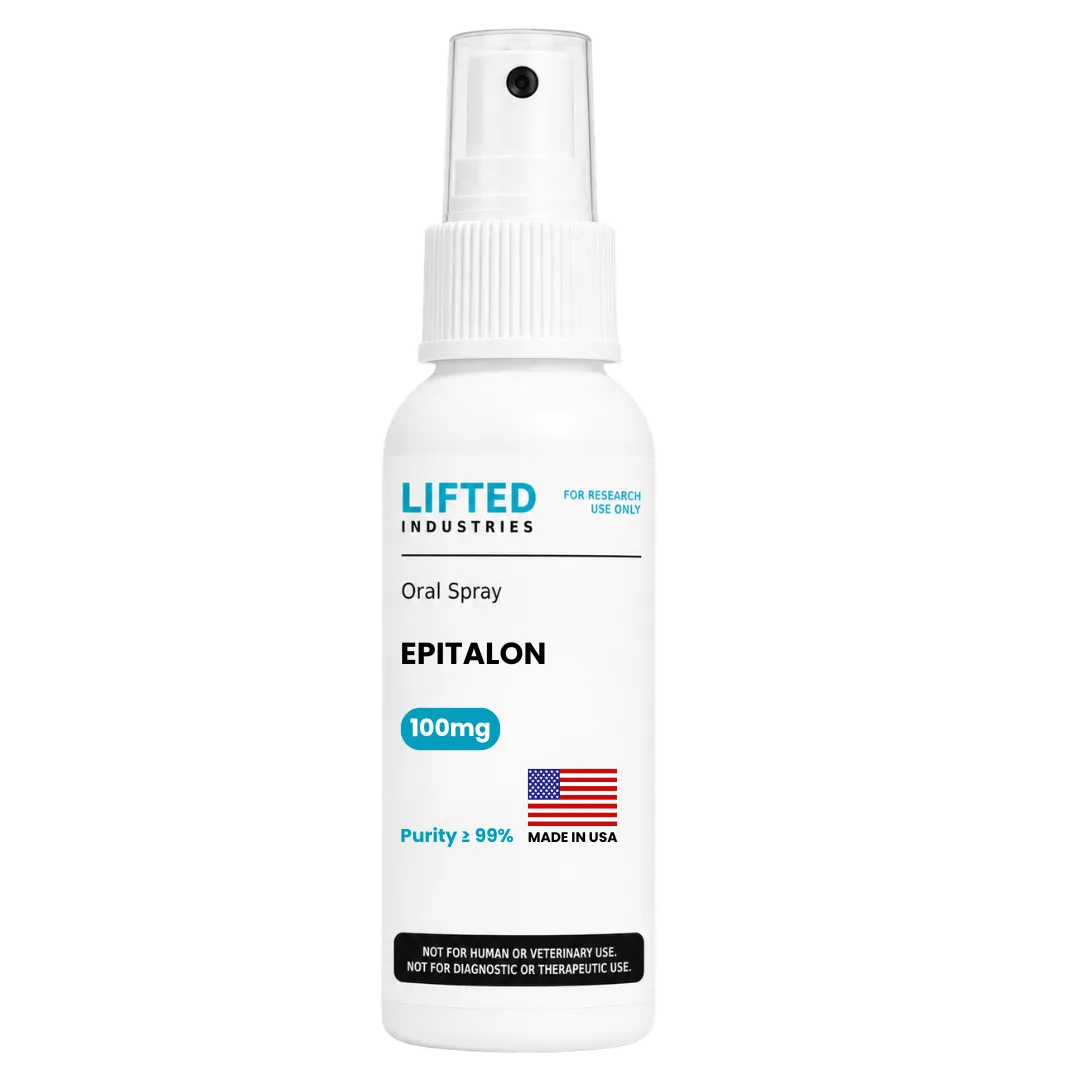
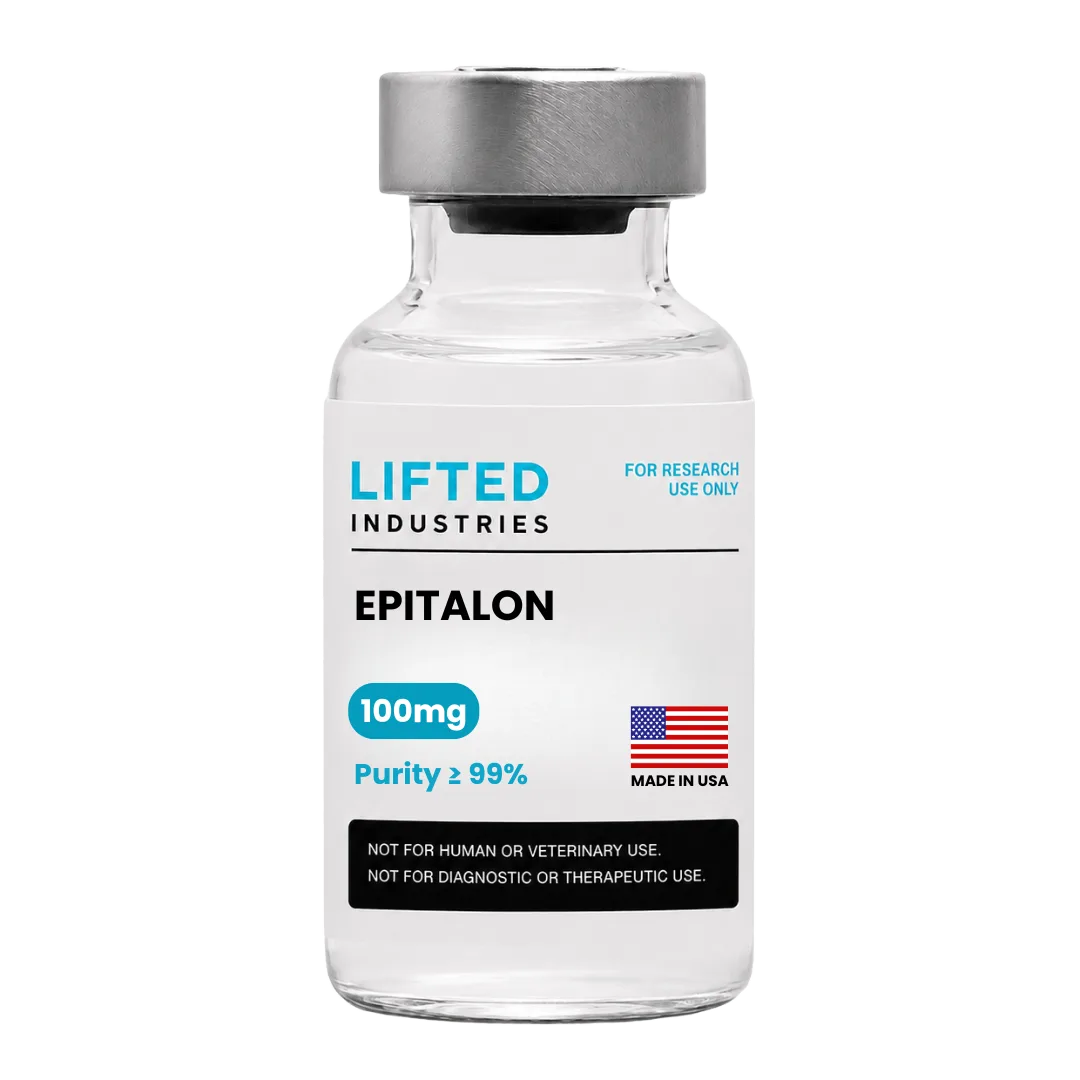
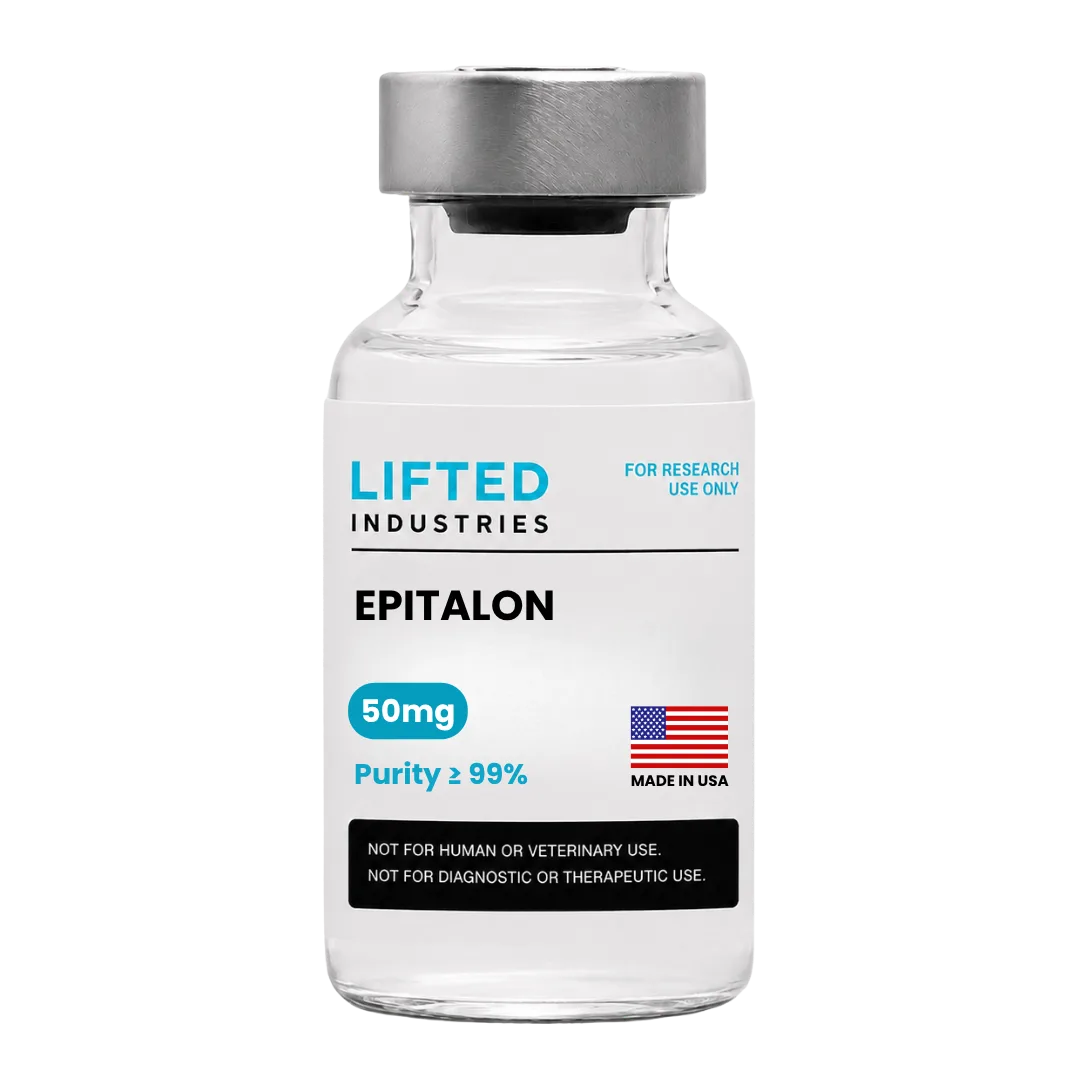
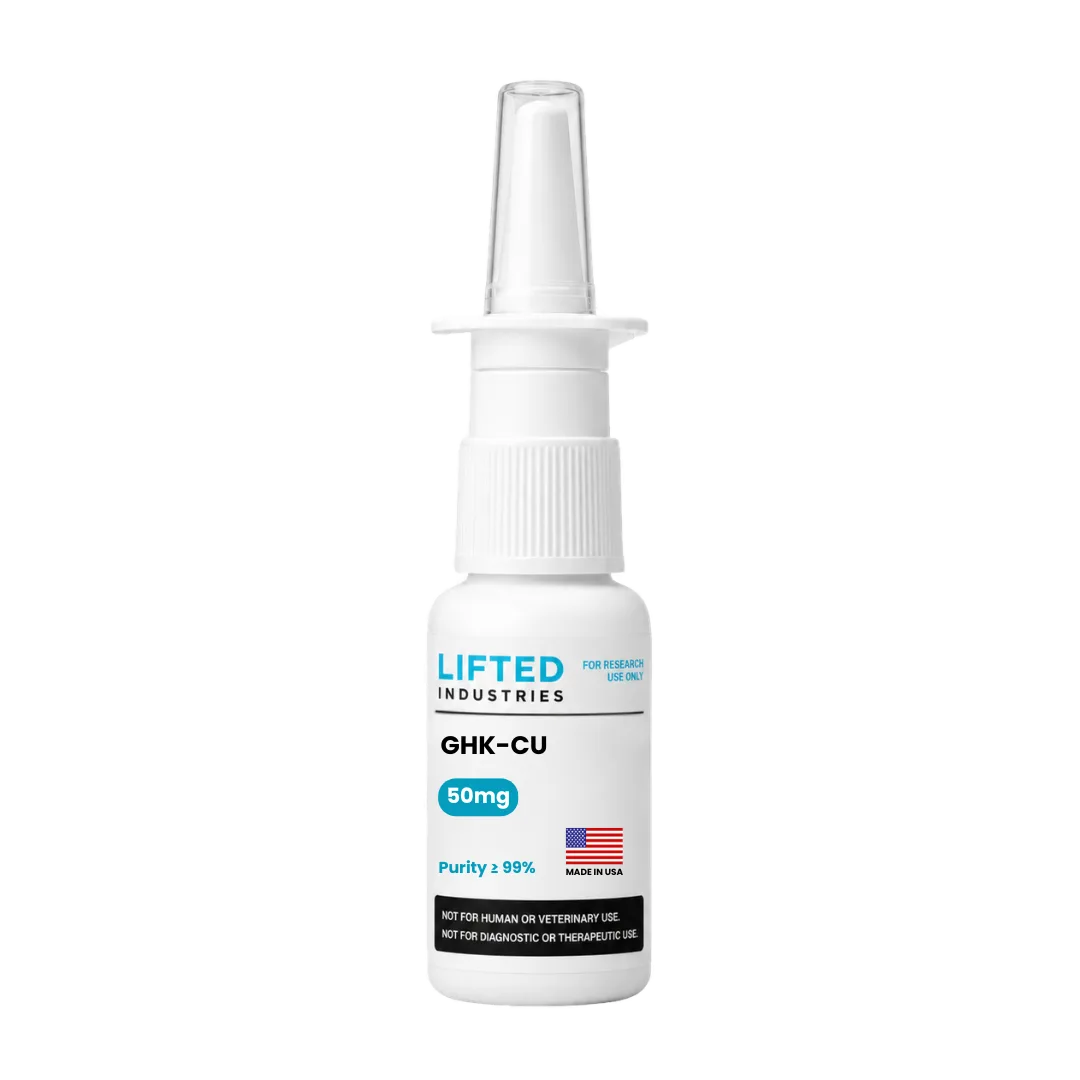
Injectable vials, nasal sprays and oral sprays, depending on the compound and strength.

Yes. Consistent SKU numbering across reorder cycles is part of how wholesale accounts are structured.

COA access is released on account activation. See wholesale for the qualification steps.

Private label is available to qualified accounts once volume and documentation requirements are confirmed — see private label.

What to Verify Before Ordering Anti-aging peptides Wholesale

Anti-aging and cellular health is one of the broadest categories in the catalogue, which makes supplier documentation matter more rather than less. A category spanning ten distinct compounds across three formats produces a lot of lot numbers, and each one needs its own paper trail.

Before opening a wholesale account for anti-aging peptides, work through these six checks. They apply to any supplier, not only to us.

  1. Lot-specific certificate of analysis. Tied to the lot number printed on the vial you receive, not a specimen document reused across batches.
  2. Named third-party laboratory. Independent analysis from a lab identified by name, with no commercial stake in the result.
  3. Disclosed analytical method. A purity figure without a stated method has no provenance.
  4. Retrievable batch records. The lot number should resolve to a production record months after delivery, not only at point of sale.
  5. Documented storage conditions. Stated per format, with shipping packed to match.
  6. Unambiguous research-use-only terms. Clear on labelling and in the account agreement.

Third-Party Lab Testing Behind Every Lot

A certificate of analysis is a measurement record for one lot. It does not carry across batches and it is not a general endorsement of a supplier. Four fields do the work:

  • Identity — confirmation the compound matches the label, established by mass spectrometry.
  • Purity — a measured percentage from high-performance liquid chromatography, with the method disclosed.
  • Lot number — the link between document and vial. A mismatch means the document describes different material.
  • Laboratory and date — a named independent lab and a recent test date.

Laboratories operating to recognised competence requirements work within frameworks such as ISO/IEC 17025, the international standard covering competence, impartiality and consistent operation of testing laboratories. Independent chemical reference data for the compounds in this category is available through PubChem at the NIH, which is useful for cross-checking identifiers without relying on any supplier’s own material.

Lifted Industries provides COA access per lot number to qualified wholesale accounts. See our certificate of analysis guide and lot numbers and batch records.

Compounds in the Anti-Aging and Cellular Health Category

The anti-aging peptides catalogue currently includes:

  • Epitalon
  • GHK-Cu
  • GHK-Cu/KPV
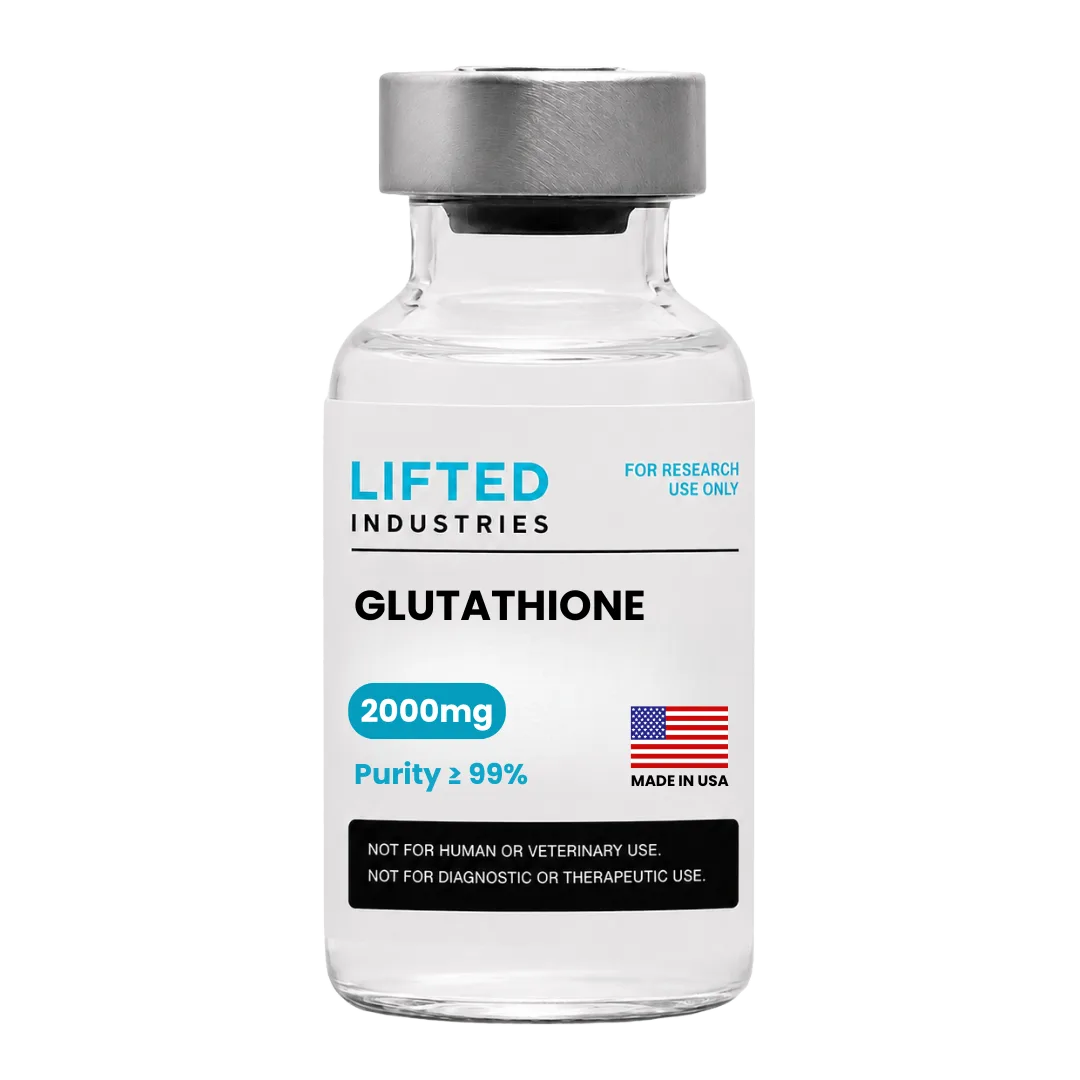
  • Glutathione
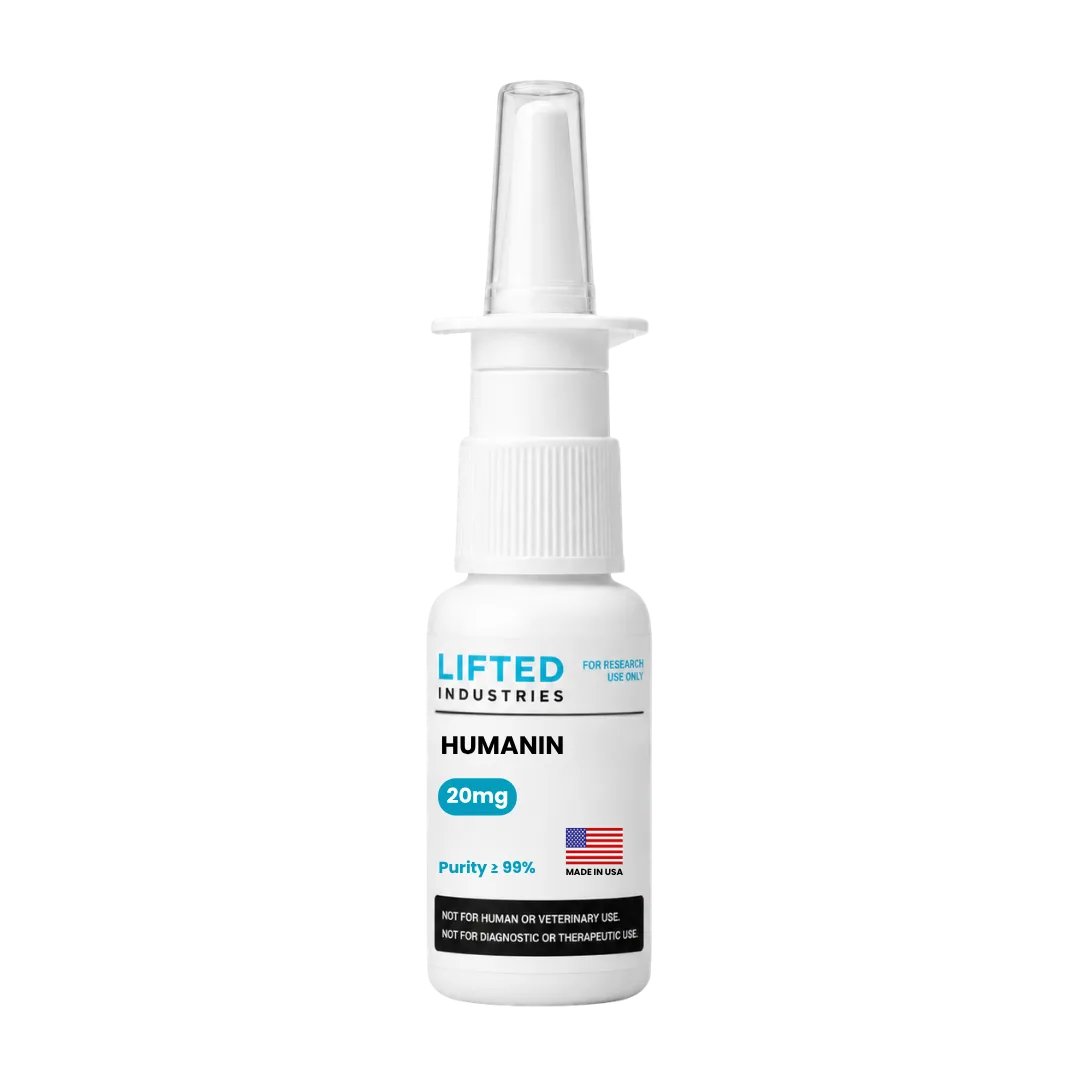
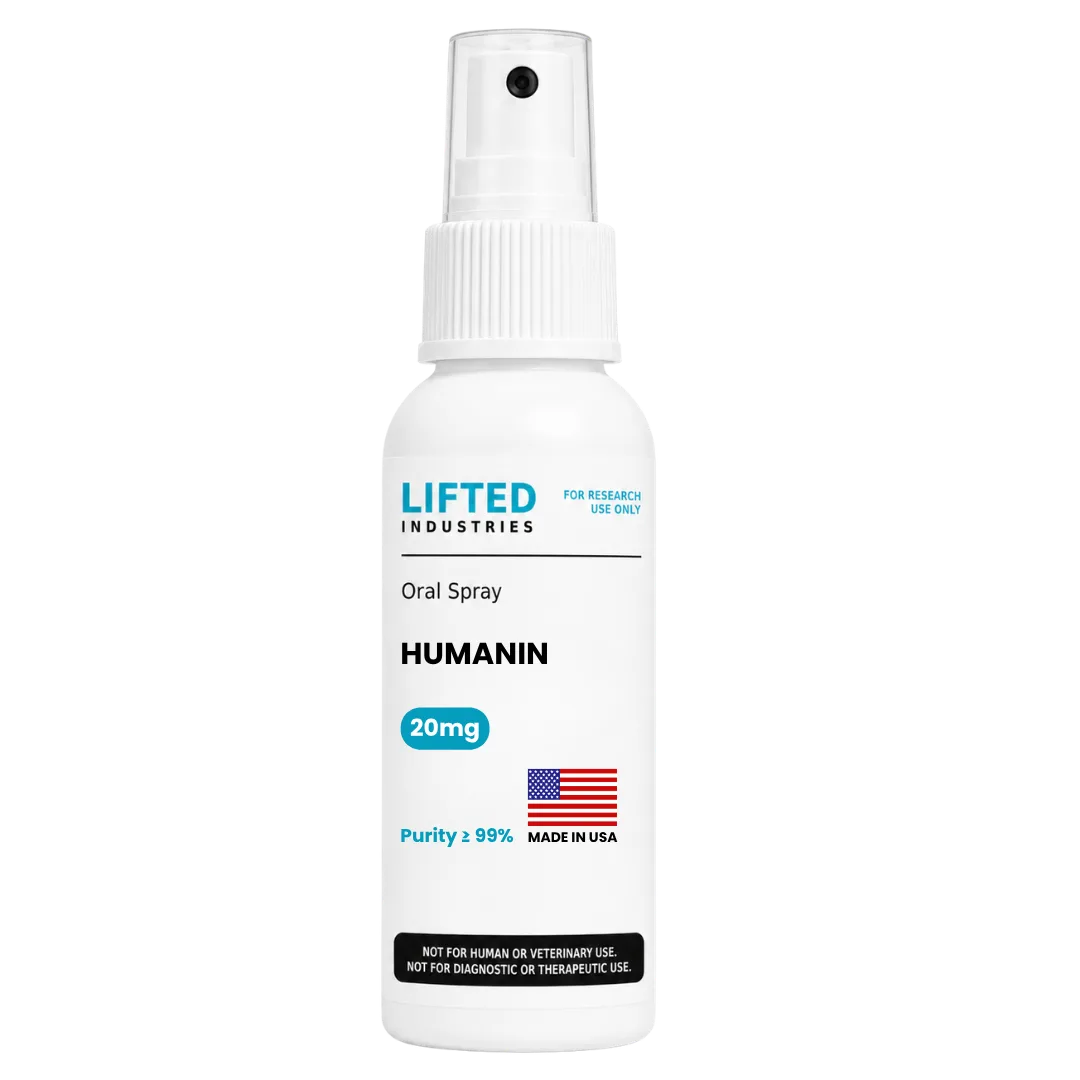
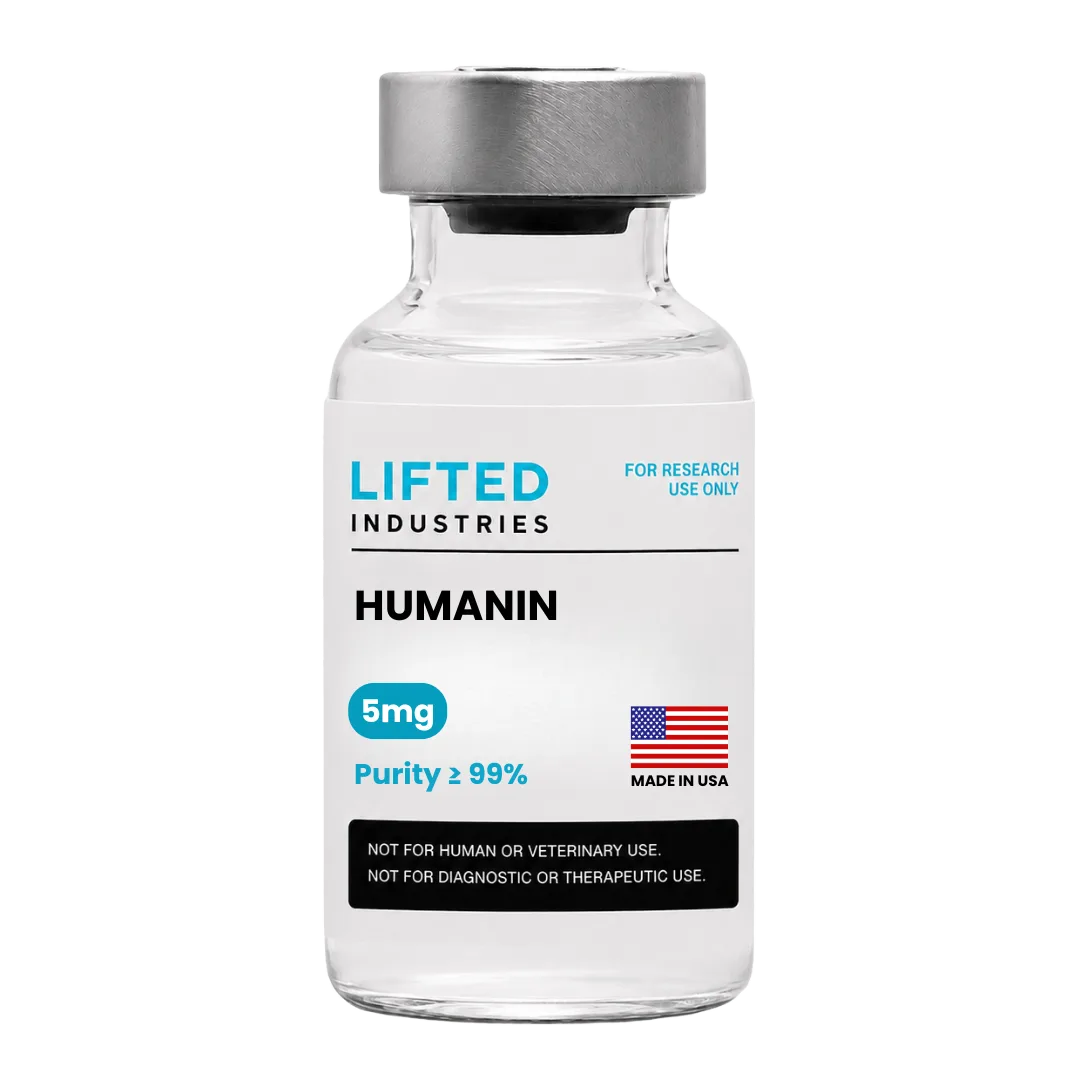
  • Humanin
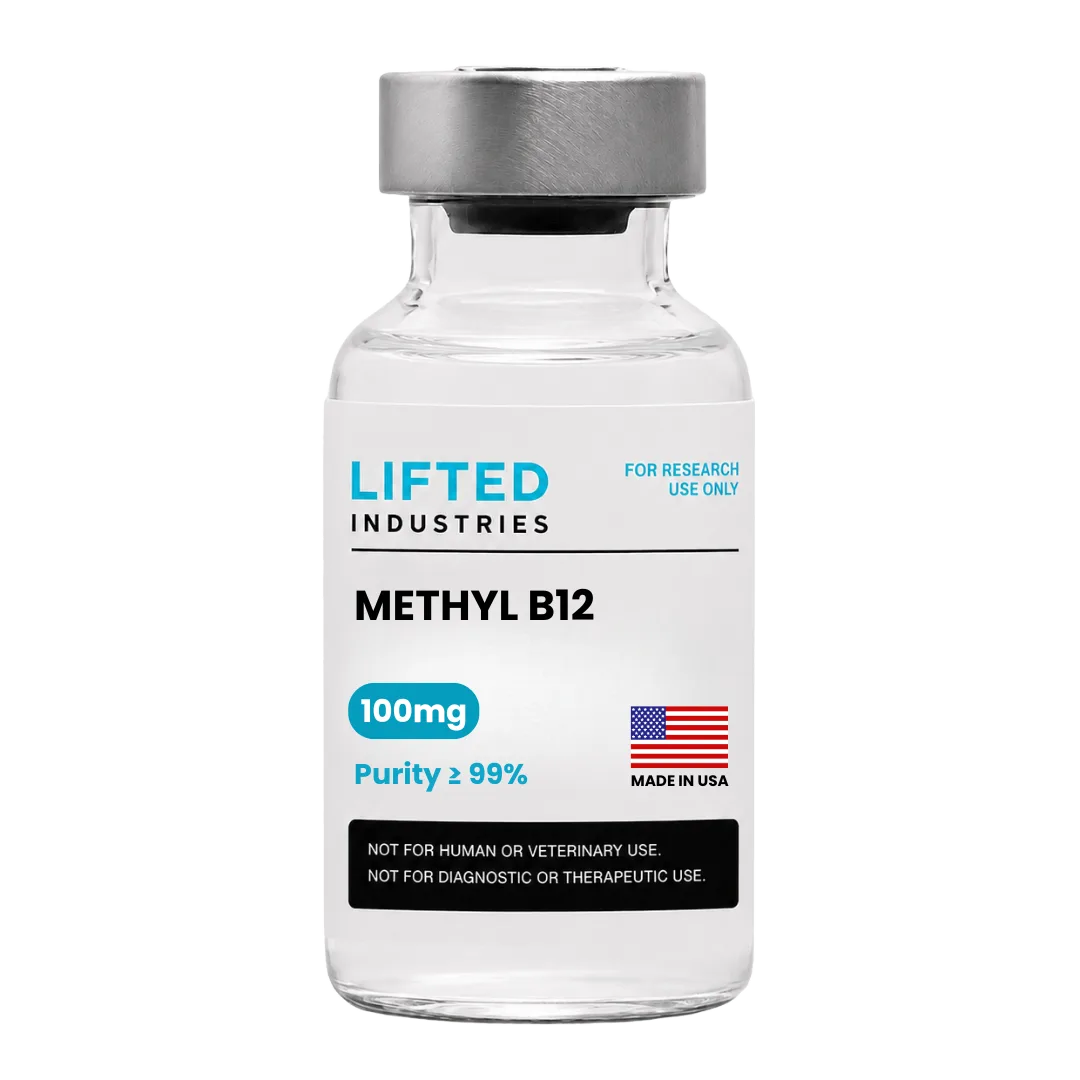
  • Methyl B12
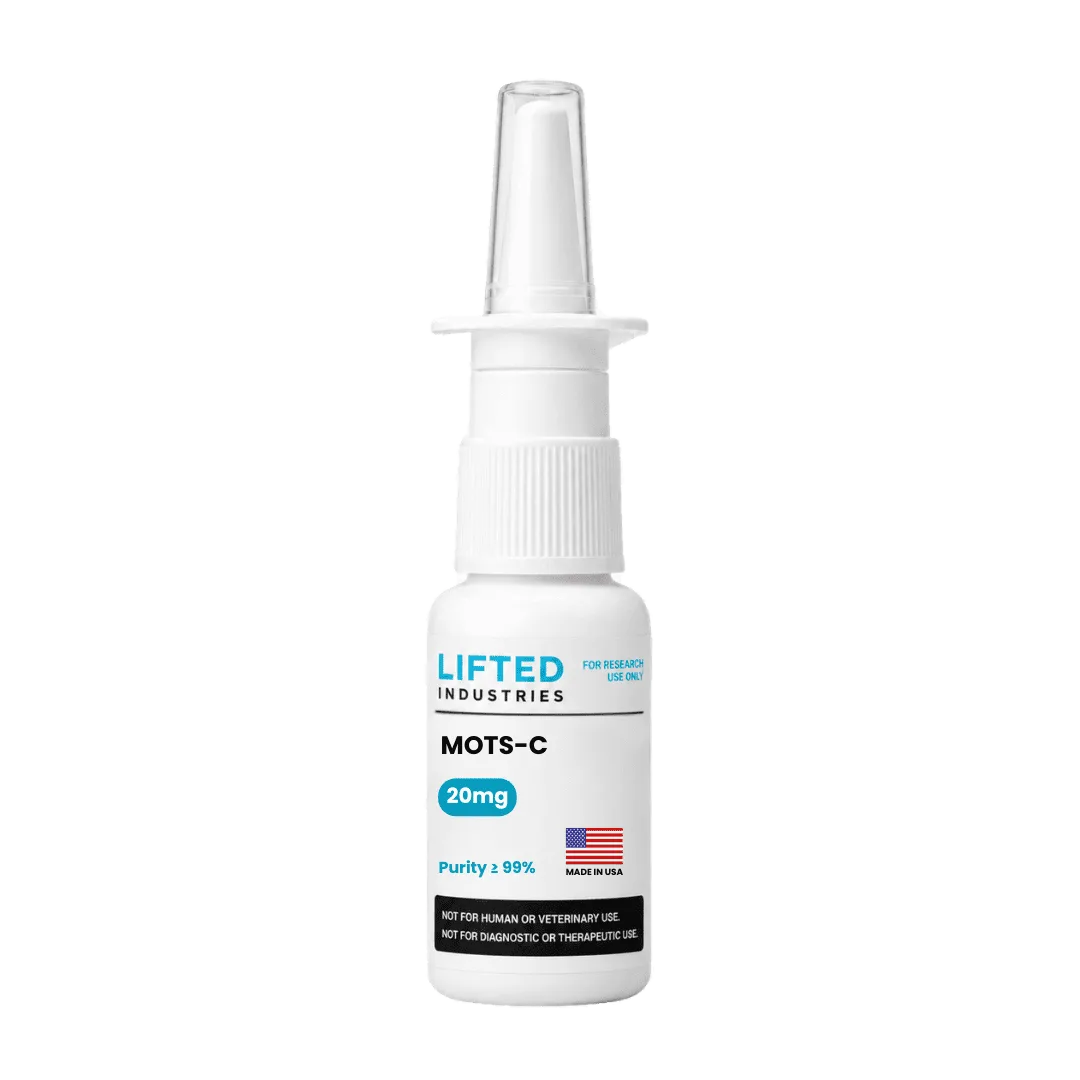
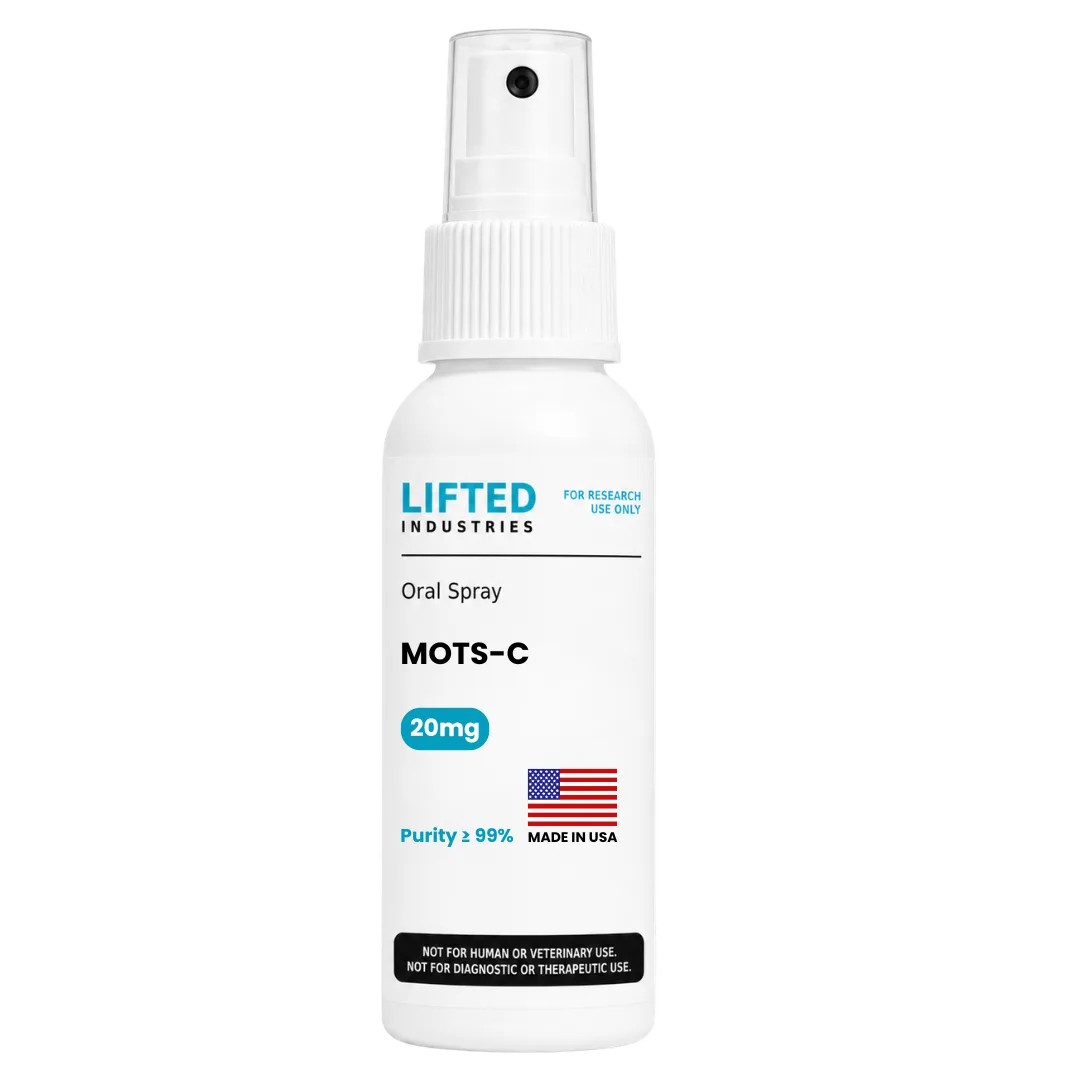
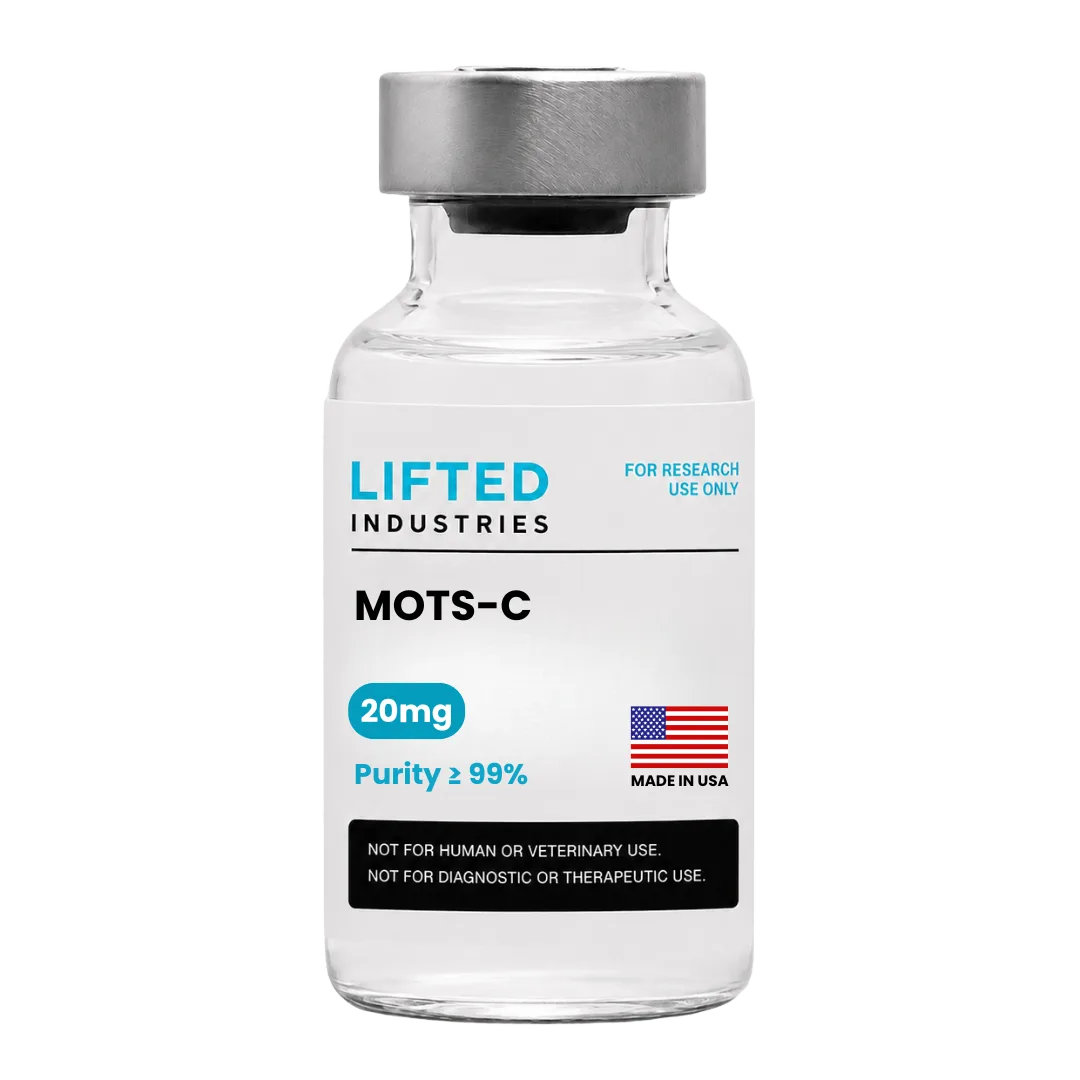
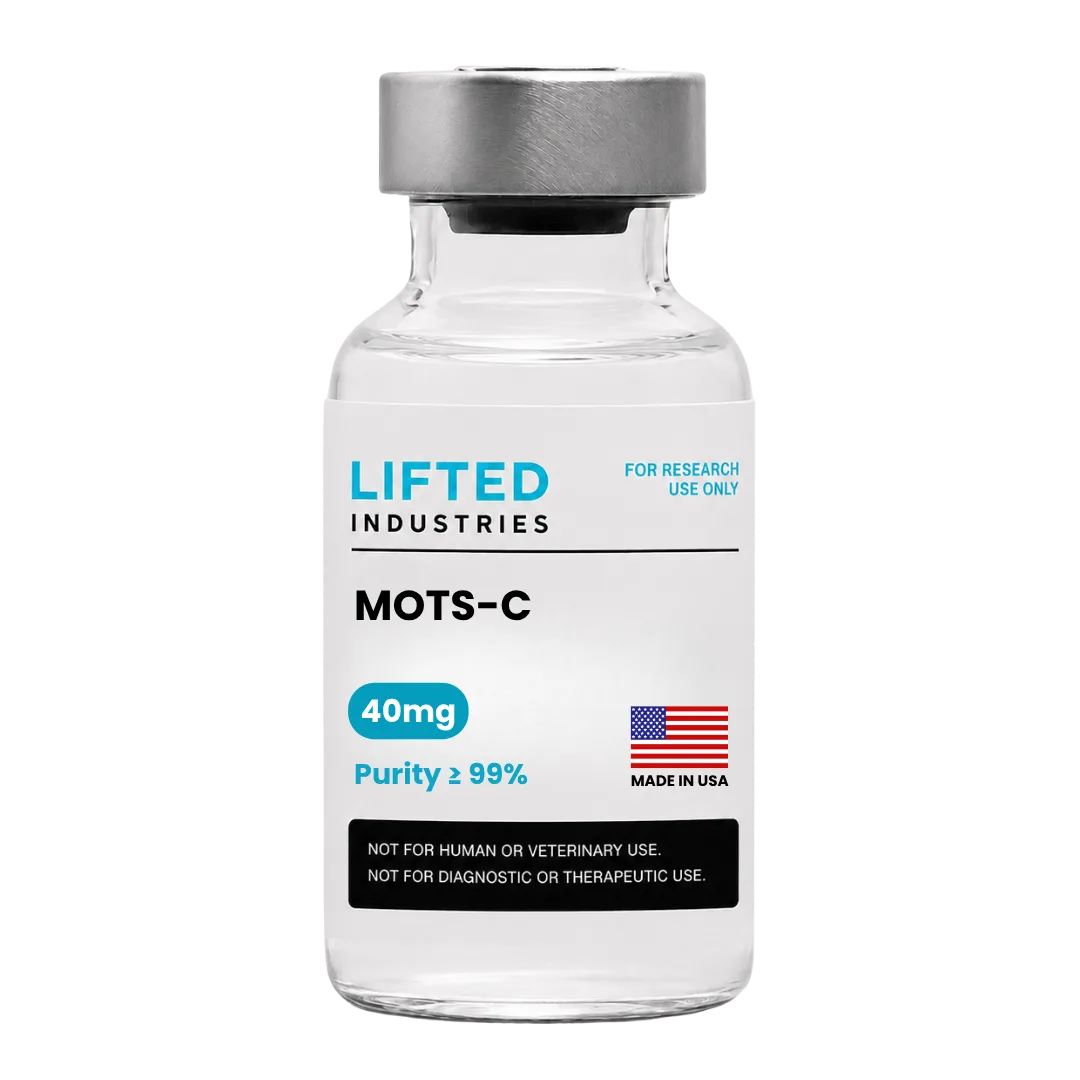
  • MOTS-C
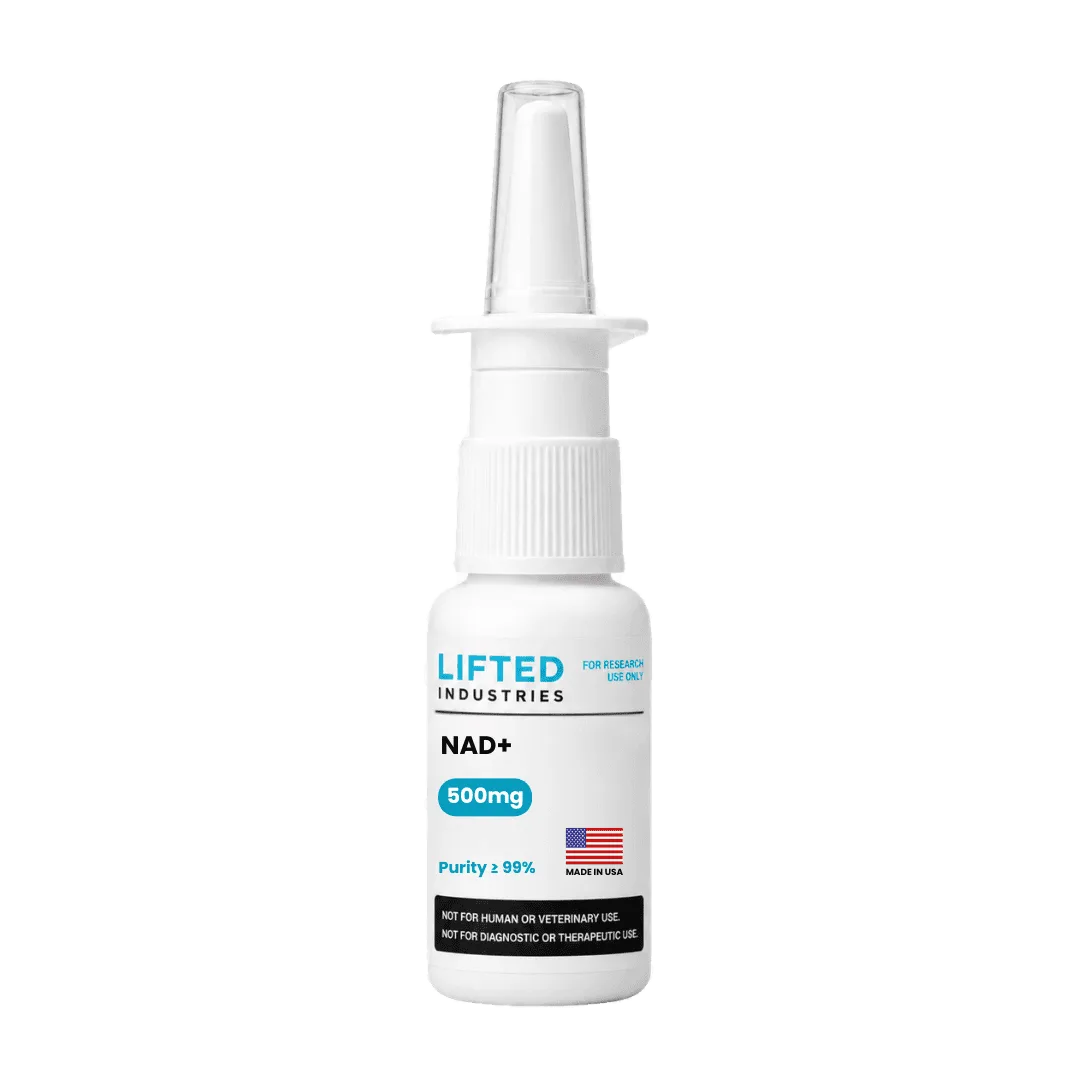
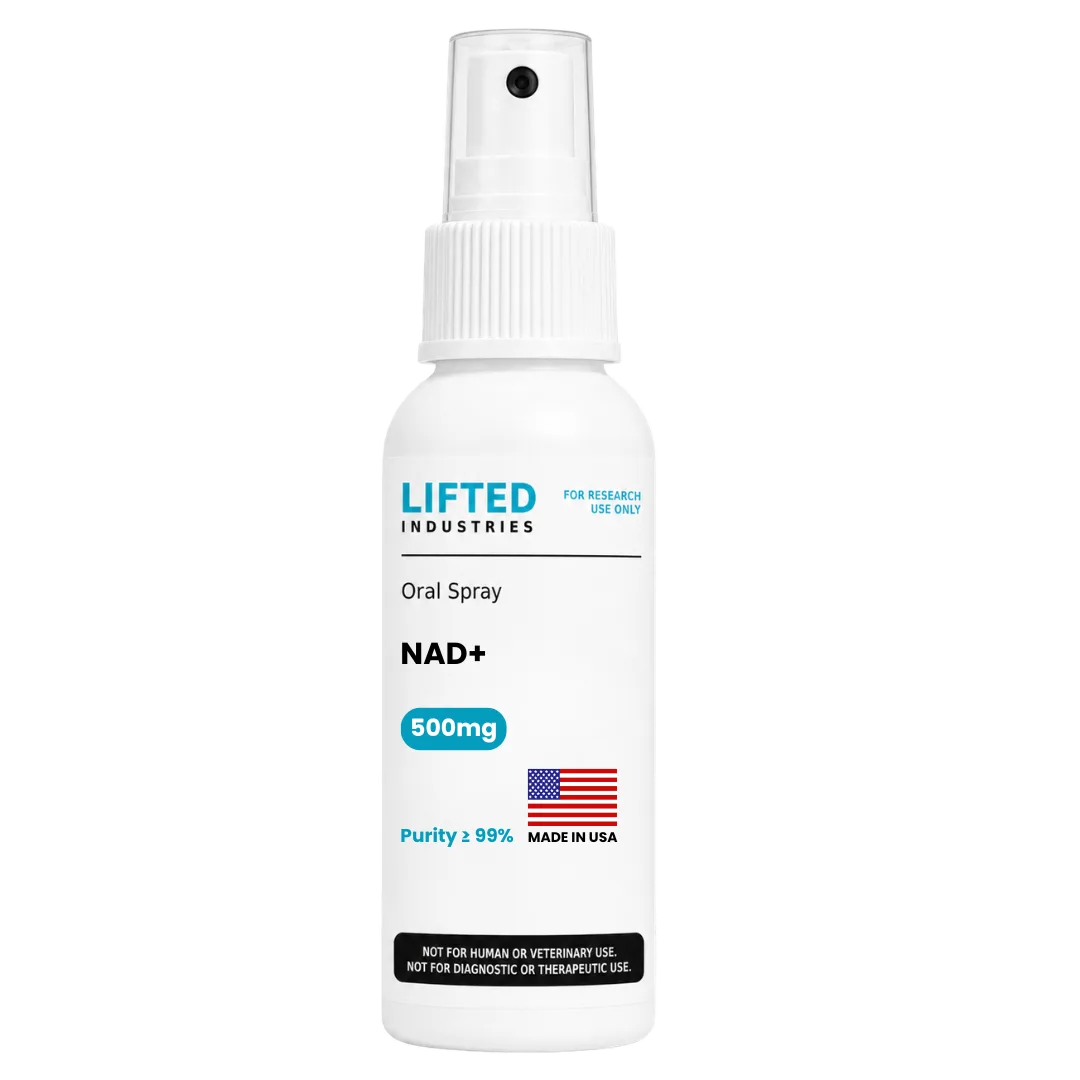
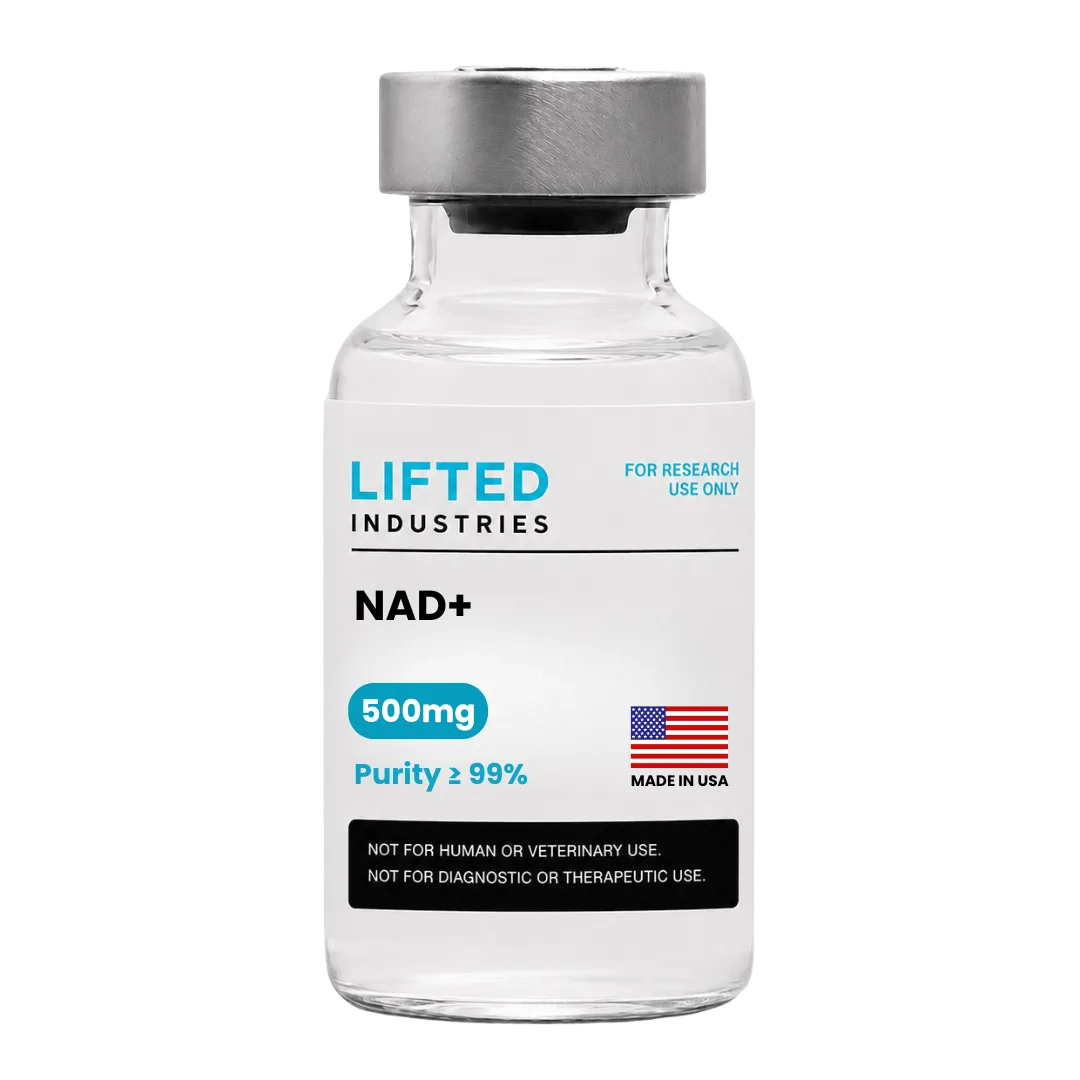
  • NAD+
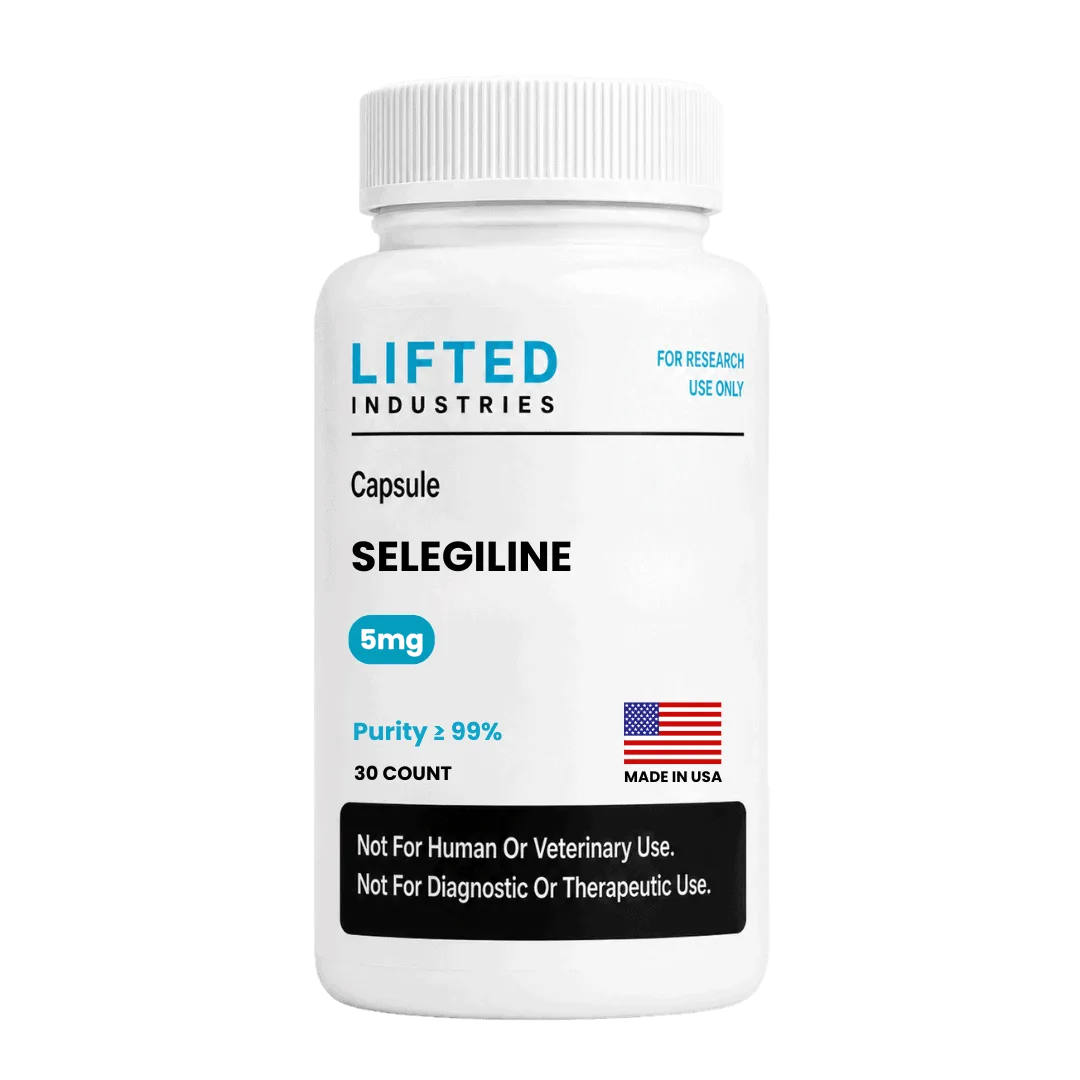
  • Selegiline
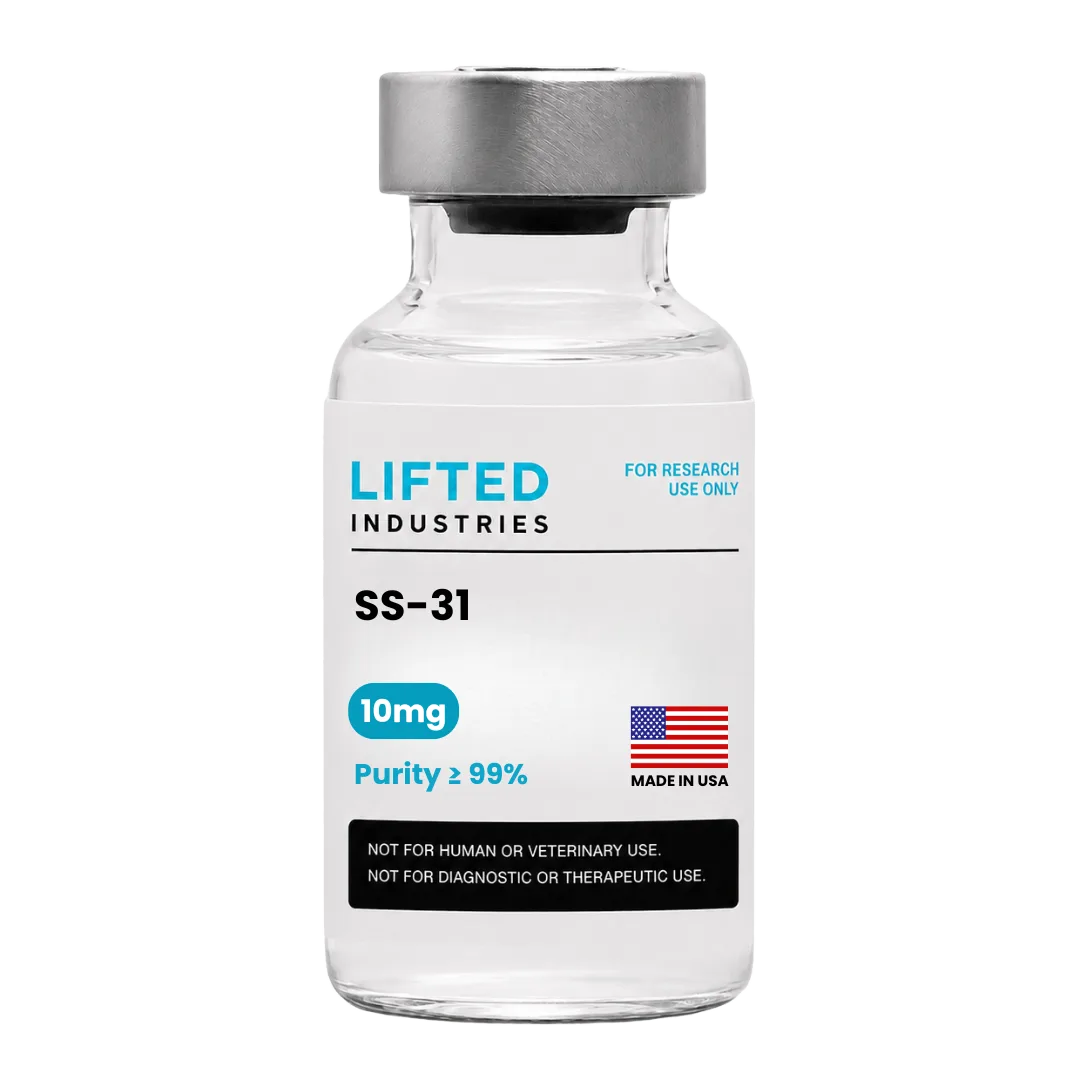
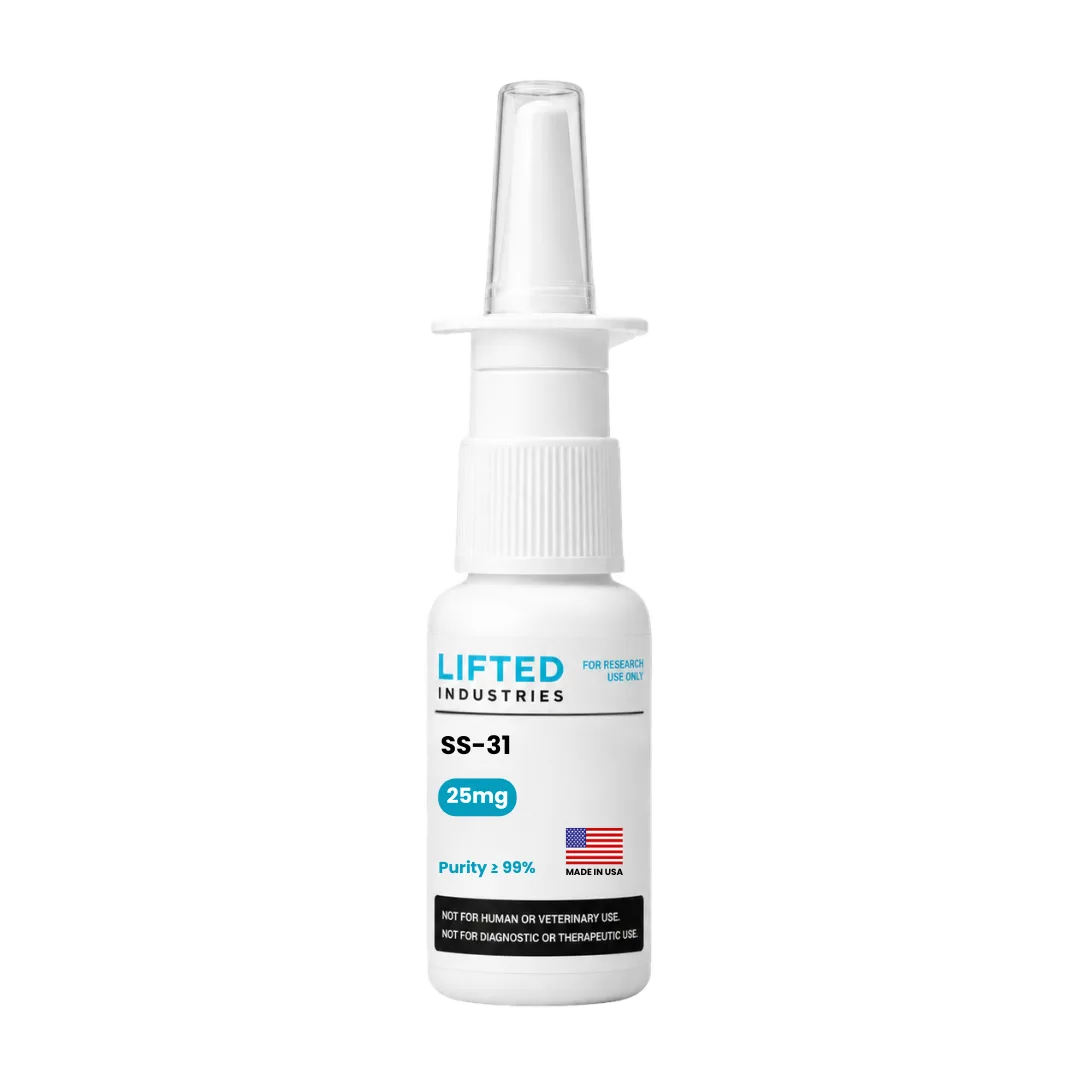
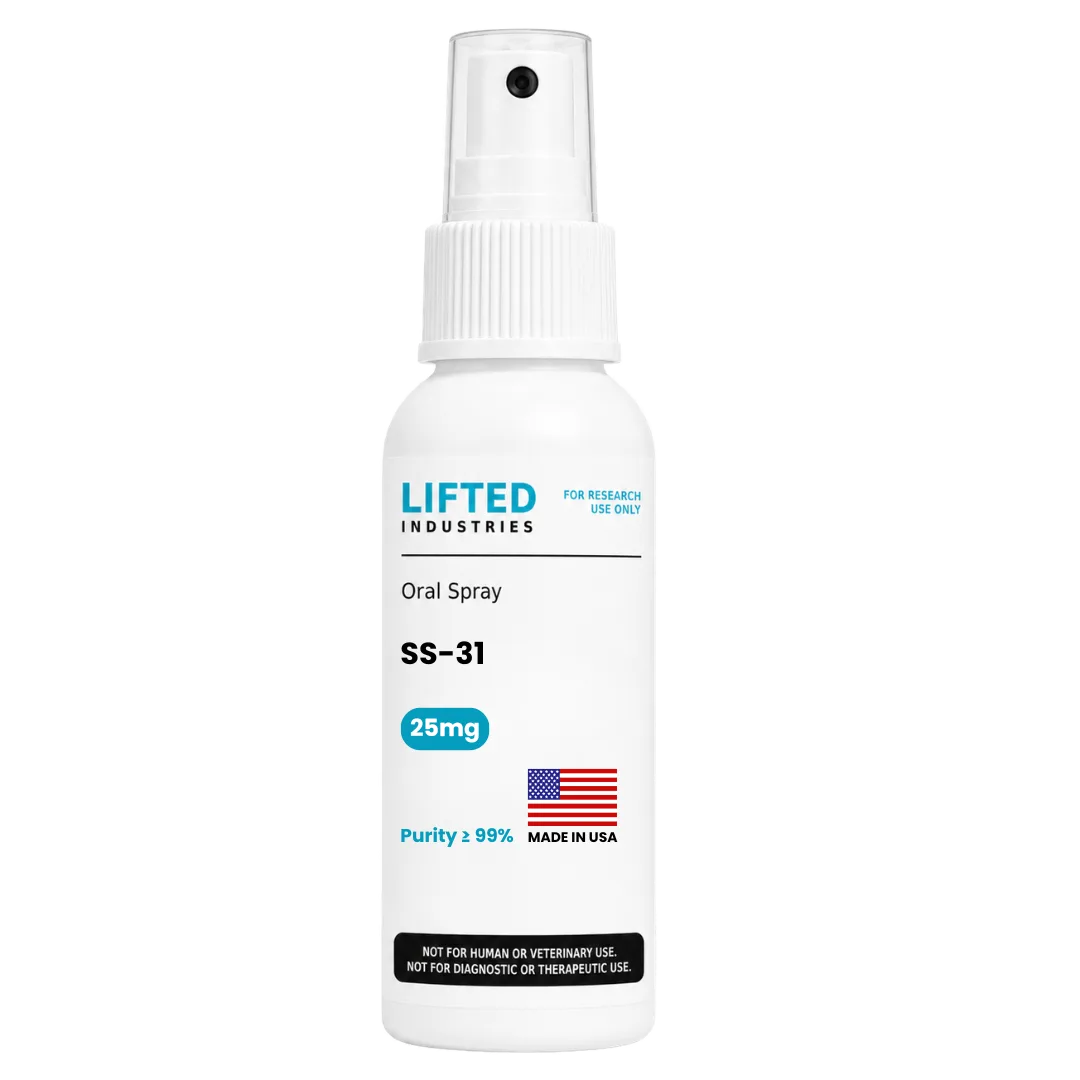
  • SS-31

All are supplied as research-use-only compounds to qualified wholesale accounts. Availability and format options vary by SKU — see the listings above for current stock, or browse the full research peptides catalogue.

Formats and Handling

This category is unusually format-diverse: most compounds are available as injectable vials, nasal sprays and oral sprays, and several are stocked in more than one strength. That flexibility is useful, but it multiplies the number of SKUs an account has to track.

Storage requirements differ by format and are documented per SKU rather than as a general instruction. Our formats explained guide compares handling across formats, and the peptide storage guide covers conditions once material arrives. Log condition on arrival, note where material is stored, and record any excursion from stated conditions.

Research-Use-Only Status

Every compound in this category is designated research use only. RUO compounds are not FDA-approved drugs, are not supplied for administration to humans or animals, and RUO designation is not a route around approval requirements. We qualify accounts before activation and decline accounts where the stated intended use does not match the designation.

The FDA publishes an overview of drug compounding and FDA oversight, and USP compounding standards set out General Chapters 795, 797 and 800. See also research use only peptides.

Documentation to Keep on File

For each order of anti-aging peptides, a qualified account should be able to produce without searching:

  • The COA matching the lot number received
  • The purchase record showing SKU, lot, quantity and date
  • Stated storage conditions for the format supplied
  • The supplier’s RUO labelling and account terms
  • A receipt log identifying who accepted and stored the shipment

See the documentation checklist, plus documentation and quality.

Who Orders Anti-aging peptides

Anti-aging and cellular health compounds are ordered across all four buyer profiles, though the emphasis differs:

  • Medical spas — private label options, stable SKUs, recurring supply
  • Wellness clinics — predictable reorder cycles, documentation as standard
  • Physicians — documentation control and defined ordering authority
  • Research labs — COA access, batch records, method disclosure

Compare all four on the industries overview.

What the Certificate Reports on Anti-Aging Peptides

Every lot of anti-aging peptides in this category ships with a Certificate of Analysis for that specific batch — not a generic reference document for the SKU — and it is downloadable from each product page without a login or an account. Four measurements do the work.

  • Purity, with method and wavelength stated. Measured chromatographically with UV detection at 208 nm and reported against specification. A percentage with no method behind it is a claim rather than a result.
  • Identity and molecular weight by LC-MS. The observed [M+H] is printed beside the theoretical molecular weight, so the match can be confirmed directly instead of taken on trust. This is the test that answers whether the vial holds the compound on the label.
  • Bacterial endotoxin by LAL assay, in EU per milligram where the format calls for it. Independent of purity: a chromatographically clean preparation can still carry endotoxin.
  • Net peptide content as measured, which is regularly a different number from the label strength. Calculations that use label strength instead introduce an error nobody ever sees.

Each certificate also carries the lot number, manufacture date, beyond-use or retest date, and the storage condition the result assumes. Ours note that salts and sugars serving as fillers in injectables are not counted as impurities — standard practice, and precisely why purity and net peptide content are two separate figures. A supplier of anti-aging peptides publishing only a purity percentage is describing less than it appears to.

Safety Data Sheets for Anti-Aging Peptides

Every compound also carries a full sixteen-section Safety Data Sheet, downloadable from the product page without an account: identification, hazards, composition, first aid, firefighting, accidental release, handling and storage, exposure controls, physical and chemical properties, stability and reactivity, toxicological and ecological information, disposal, transport, and regulatory information.

Two sections deserve attention before material arrives rather than after. Handling and storage is compound-specific — some materials require storage at or below -20°C, protected from light, dry and sealed, while others state requirements on the product insert. Stability and reactivity lists incompatibilities that vary by compound, including strong acids and bases and strong oxidising or reducing agents. Every sheet carries the same restriction: this product is for research use, not for human or veterinary diagnostic or therapeutic use.

Ordering Anti-Aging Peptides: Minimums, Lead Times and Qualification

Minimums on anti-aging peptides start at 25 units per SKU, where a SKU means compound, format and strength together rather than compound alone. Two strengths of the same compound in the same format are two SKUs carrying two minimums, which is worth counting before a first order rather than after.

Standard fulfillment runs 3–5 business days once an order is placed against an approved account. That window is short enough to hold a lean position and restock against real consumption instead of forecasting a quarter ahead, which also means less material sitting past its retest date on a shelf.

Account review covers business licensing for the entity holding the account, medical or professional licensing where the buyer type calls for it, a resale certificate where applicable, and general business information — entity details, shipping and billing addresses, who is authorised to order and receive, and the intended use of the material. An application produces an immediate confirmation while review begins; approval unlocks catalogue and pricing; activation delivers credentials and current wholesale pricing. Accounts are limited to clinics, laboratories, brands, distributors and institutions that qualify, and we do not sell to individual consumers.

Receiving and Storing Anti-Aging Peptides

A certificate describes material as it was measured. Whether it still describes what is in your freezer depends on what happened in between, which makes receiving inspection part of the documentation chain rather than a separate chore.

Reconcile three things on arrival, before anything is put away: the lot number on the vial against the lot number on the certificate, quantity and strength against the packing list, and the physical condition of the packaging. A discrepancy caught at receiving is a supplier conversation; the same discrepancy found weeks later is an unresolvable one. Keep the certificate and safety data sheet with the inventory record rather than in an email thread, because the lot number is the only thing that will resolve a question months later, and only if the document is still findable when someone goes looking for it.

Anti-Aging Peptides: Frequently Asked Questions

Do I get a COA and an SDS when I order?
Yes. Every order ships against a specific lot with a Certificate of Analysis for that lot and a Safety Data Sheet for the compound. Both are also downloadable from the product page before you order, with no account required.

Is the certificate specific to my lot?
Yes. It carries the lot number, manufacture date and beyond-use or retest date for that exact batch, and the lot number ties back to batch-level records. A repeat order on a new lot arrives with a new certificate.

What tests appear on it?
Purity by chromatographic separation with UV detection at 208 nm, identity and molecular weight by LC-MS against the theoretical value, bacterial endotoxin by LAL assay in EU/mg where the format calls for it, and net peptide content as measured.

What is the minimum order for anti-aging peptides?
25 units per SKU, where a SKU is compound, format and strength together.

How quickly do orders ship?
3–5 business days on standard orders against an approved account.

Which formats are available?
Injectable research vials, nasal research sprays, oral research sprays, and research capsules. All are supplied For Research Use Only.

Are these compounds approved for human use?
No. All anti-aging peptides supplied here are for research use only. They are not FDA-approved drugs and are not supplied for administration to humans or animals.

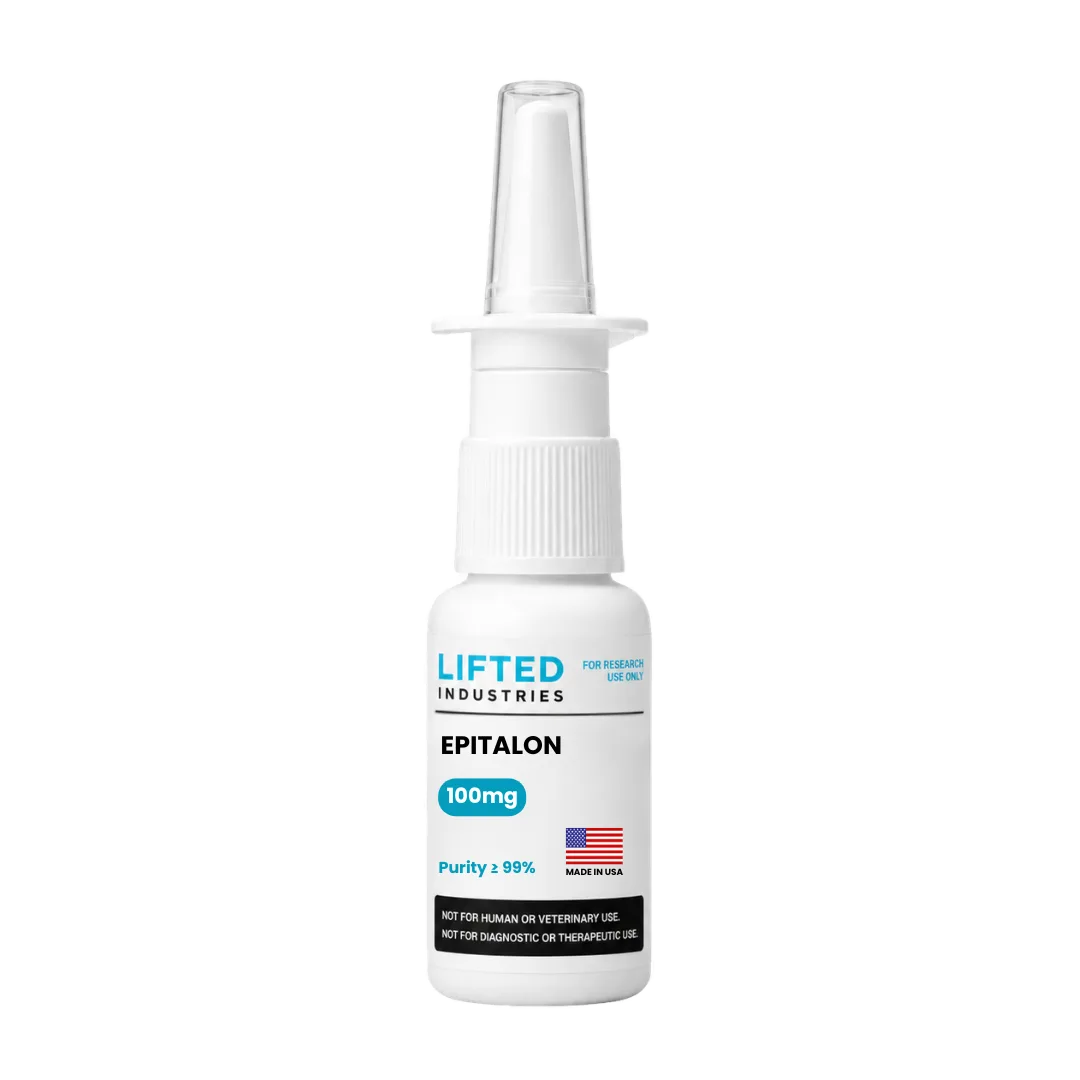
Sourcing Anti-aging peptides From Lifted Industries

Sourcing anti-aging peptides at wholesale comes down to whether documentation exists when someone asks for it. Lifted Industries supplies anti-aging peptides to qualified accounts only, with third-party lab testing behind each lot and a certificate of analysis tied to the lot number delivered.

  • COA access per lot rather than per product line
  • Purity by HPLC and identity confirmation by mass spectrometry
  • Lot numbers that resolve to retrievable batch records
  • Consistent SKU numbering across reorder cycles
  • Documented storage conditions for every format
  • Explicit research-use-only designation on labelling and terms